
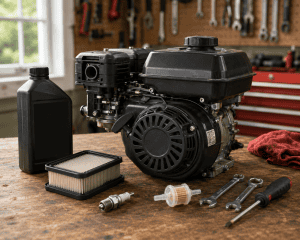
Small engines do a lot of work for homeowners, often without getting much attention until something goes wrong. Lawn mowers, snow blowers, generators, pressure washers, weedwhackers, blowers, and other outdoor power equipment are expected to start when needed, run smoothly, and handle tough seasonal jobs.
The problem is that small engines often sit unused for weeks or months at a time. A mower may sit all winter. A snow blower may sit through spring, summer, and fall. A generator may only be pulled out when a storm is coming. During that downtime, fuel can age, oil can get dirty, batteries can weaken, and normal wear can turn into bigger problems.
That is why seasonal tune-ups are so important.
A seasonal tune-up helps prepare your equipment before you need it most. Instead of waiting until the mower will not start, the snow blower will not run, or the generator acts up during a power outage, a tune-up gives you a chance to catch problems early.
Regular small engine maintenance can save money, reduce frustration, and help extend the life of your equipment.
Article Summary
Seasonal tune-ups help small engines start easier, run better, and last longer. They can also help prevent costly repairs by catching small problems before they become major issues.
In this article, we’ll explain why seasonal maintenance matters, how tune-ups can protect your equipment, and what warning signs homeowners should watch for before a small engine problem becomes a bigger repair.
A seasonal tune-up may help with:
- Easier starting
- Better engine performance
- Fewer surprise breakdowns
- Cleaner fuel and airflow
- Reduced engine strain
- Longer equipment life
- Better reliability during busy seasons
Why Small Engines Need Seasonal Care
Small engines work differently than equipment used every day. A car or truck usually runs often. Fuel moves through the system regularly, the battery stays charged, and problems are often noticed quickly.
Outdoor power equipment is different.
A lawn mower may be used every week during summer, then stored for months. A snow blower may only run a few times a year. A generator may sit quietly until a storm knocks out power. That kind of seasonal use can be hard on small engines.
When equipment sits, fuel can break down. Moisture and dirt can create problems. Oil can become contaminated. Filters can clog. Spark plugs can wear. Belts, cables, blades, and other parts can loosen or age.
A tune-up helps identify these issues before they turn into breakdowns.
Tune-Ups Help Equipment Start Easier
One of the biggest benefits of a seasonal tune-up is easier starting.
Hard starting is one of the most common small engine complaints. A mower may take several pulls. A snow blower may crank but not fire. A generator may start and stall. Yard equipment may only run for a few seconds before shutting off.
These issues can have several causes, including old gas, a dirty air filter, a worn spark plug, a weak battery, or fuel system buildup.
A seasonal tune-up can help address those common causes before the equipment is needed. Fresh maintenance gives the engine a better chance of starting when expected.
That matters because small engine problems often appear at the worst time. Nobody wants to discover a mower problem when the grass is already high or a generator problem when the power is already out.
Old Gas Can Cause Big Problems
Old fuel is one of the most common reasons small engines have trouble.
Gasoline does not stay fresh forever. When fuel sits too long, it can break down and leave behind residue. That residue can affect fuel lines, filters, and carburetor parts. In many small engines, the carburetor has tiny passages that can become clogged or restricted.
When that happens, the equipment may become hard to start, run rough, surge, stall, or fail to stay running.
Old gas problems are especially common in seasonal equipment because homeowners often store machines with fuel still in the tank. By the time the equipment is needed again, the fuel may already be causing trouble.
A tune-up can help identify fuel-related issues early. It can also help prevent the same problem from happening again by making sure the equipment is prepared properly for the season ahead.
Clean Oil Helps Protect the Engine
Oil is one of the most important parts of small engine maintenance. It helps lubricate moving parts inside the engine and reduces friction.
Over time, oil can get dirty, break down, or run low. Dirty or low oil does not protect the engine as well as it should. That can increase wear and may shorten the life of the equipment.
Some homeowners remember to change the oil in their cars but forget that small engines need oil care too. Even though the engine is smaller, it still has moving parts that need protection.
During a tune-up, the oil condition can be checked and changed when needed. This helps the engine run more smoothly and reduces unnecessary wear.
Clean oil is a simple maintenance step, but it can make a big difference over time.
Air Filters Help the Engine Breathe
A small engine needs clean air to run properly. The air filter helps keep dirt, dust, grass clippings, and debris out of the engine.
When the air filter gets dirty or clogged, the engine may not get enough airflow. That can cause hard starting, rough running, loss of power, or poor performance.
This is especially common with lawn mowers and yard equipment because they work in dusty, grassy, dirty conditions. A filter can become clogged faster than many homeowners realize.
A seasonal tune-up may include inspecting, cleaning, or replacing the air filter depending on the equipment. A clean air filter helps the engine breathe and can improve how the equipment runs.
Spark Plugs Affect Starting and Performance
The spark plug is small, but it plays a big role. It helps ignite the fuel and air mixture inside the engine.
When a spark plug is worn, dirty, or damaged, the engine may become difficult to start. It may also run rough, stall, misfire, or lose power.
Because spark plugs are relatively small and inexpensive compared to major engine repairs, checking them during a tune-up makes sense. Replacing a worn spark plug at the right time can help prevent frustration later.
If your equipment used to start easily but now takes several tries, the spark plug may be one possible cause.
Tune-Ups Can Help Prevent Costly Repairs
A seasonal tune-up can save money by catching small problems before they become larger repairs.
Small engine issues often build gradually. A dirty filter may make the engine work harder. Old fuel may leave residue in the carburetor. A loose belt may get worse over time. A dull mower blade may continue stressing the mower and damaging the lawn’s appearance.
When those problems are ignored, they can lead to breakdowns.
Routine maintenance gives someone a chance to inspect the equipment, find warning signs, and address them early. That can reduce the chance of emergency repairs during the busiest part of the season.
It is usually easier and less expensive to maintain equipment than to wait until it fails completely.
Seasonal Tune-Ups Improve Performance
A tuned-up small engine usually performs better.
When fuel is fresh, oil is clean, the air filter is clear, and the spark plug is working properly, the engine does not have to struggle as much. It can start easier, run smoother, and respond better under load.
For lawn mowers, that may mean better cutting performance and less bogging down in thick grass. For snow blowers, it may mean better reliability during cold weather. For generators, it may mean more confidence that the equipment will be ready during storm season.
Performance matters because equipment that runs poorly wastes time. It may require extra pulls, extra passes, repeated restarts, or more effort than it should.
A tune-up helps equipment do the job it was built to do.
Tune-Ups Help Extend Equipment Life
Outdoor power equipment can be expensive to replace. Regular maintenance helps protect that investment.
Neglected equipment often wears faster. Dirt, old fuel, dirty oil, clogged filters, loose parts, and worn components can all shorten the life of a small engine.
A seasonal tune-up helps slow that wear by keeping the equipment in better condition. It also gives you a chance to find issues before they damage other parts.
No tune-up can make equipment last forever, but proper maintenance can help you get more useful life out of the equipment you already own.
That is one of the biggest long-term benefits of small engine tune-ups.
Different Seasons Bring Different Equipment Problems
Each season puts different demands on small engine equipment.
In spring, lawn mowers may have trouble starting after sitting through winter. Old gas, dirty filters, dull blades, and worn spark plugs can all show up at once.
In summer, mowers and yard equipment work harder in heat, dust, and thick grass. Equipment that has not been serviced may lose power, run rough, or struggle under heavier use.
In fall, leaf blowers and yard equipment may be used more often. This is also a good time to think ahead about winter equipment before cold weather arrives.
In winter, snow blowers and generators become especially important. If they do not start when needed, the timing can be stressful and inconvenient.
Seasonal tune-ups help match maintenance to the time of year, so equipment is ready before the busy season begins.
Tune-Ups Reduce Seasonal Stress
Small engine equipment usually becomes important at specific times of year.
When spring arrives, the lawn mower needs to be ready. When leaves fall, yard equipment gets more use. When winter weather is coming, snow blowers need to start. When storms are in the forecast, generators need to be dependable.
The problem is that many homeowners discover equipment issues at the same time. That can create delays, especially during busy repair seasons.
Scheduling seasonal maintenance before the rush can reduce stress. It gives you time to address problems before you urgently need the equipment.
Planning ahead is much easier than scrambling after a breakdown.
Warning Signs Your Equipment Needs Service
Small engines usually give warning signs before they completely fail. Paying attention to those signs can help prevent bigger problems.
Common signs your equipment may need a tune-up include:
- Hard starting
- Rough running
- Stalling
- Loss of power
- Engine surging
- Excessive vibration
- Unusual noises
- Smoke
- Fuel smell
- Old gas in the tank
- Dirty air filter
- Weak battery
- Poor cutting or performance
- Equipment sitting unused for months
- Equipment not serviced recently
If something sounds, smells, feels, or performs differently than normal, it is worth having the equipment checked.
What May Be Included in a Seasonal Tune-Up
The exact work depends on the type of equipment, its condition, and the manufacturer’s recommendations. A lawn mower, generator, snow blower, and weedwhacker will not all need the same maintenance.
A seasonal tune-up may include checking or servicing:
- Engine oil
- Spark plug
- Air filter
- Fuel condition
- Fuel system
- Carburetor condition
- Belts and cables
- Battery condition
- Blades, when applicable
- General operation
- Loose or worn parts
- Starting and running performance
The goal is to make sure the equipment is ready for the season ahead.
Why DIY Maintenance Is Not Always Enough
Some homeowners handle basic maintenance themselves. Checking oil, replacing filters, and using fresh fuel can all help.
However, not every small engine problem is easy to diagnose. A mower that runs rough may have a fuel problem, spark problem, carburetor issue, or air flow restriction. Equipment that vibrates may have a blade issue, loose part, or worn component. A machine that starts and stalls may need more than fresh gas.
Guessing can waste time and may lead to more frustration.
When equipment continues to have problems, professional small engine repair can help identify the real cause and determine what needs attention.
Why Timing Matters
Timing is one of the most overlooked parts of small engine maintenance.
Many people wait until equipment fails before scheduling service. Unfortunately, that often happens right when everyone else needs help too. Mowers have problems at the beginning of mowing season. Snow blowers fail when snow is in the forecast. Generators are tested only when a storm is already coming.
A seasonal tune-up helps avoid that rush.
Having equipment checked before the season begins gives you more time to address repairs, replace worn parts, and make sure the machine is ready. It also gives you peace of mind because you are not waiting until the last minute.
For homeowners, that can mean fewer delays, less stress, and better equipment reliability.
Q&A: Seasonal Tune-Ups for Small Engines
What is a small engine tune-up?
A small engine tune-up is routine maintenance that helps equipment start, run, and perform better. It may include checking oil, spark plug, air filter, fuel condition, belts, blades, battery, and overall equipment condition.
How often should small engine equipment be tuned up?
Many homeowners schedule a tune-up once a season or before the equipment’s busiest time of year. Equipment used heavily or stored for long periods may need service more often.
Can a tune-up help my mower start easier?
Yes. A tune-up can help address common starting problems such as old gas, dirty filters, worn spark plugs, and other maintenance issues.
Why does my equipment run rough after sitting?
Equipment that sits unused may develop fuel-related problems. Old gas can break down and leave residue that affects the fuel system or carburetor.
Does a tune-up save money?
A seasonal tune-up can save money by catching small issues before they become larger repairs. It can also help extend equipment life and reduce unexpected breakdowns.
Should equipment be tuned up before or after the season?
It depends on the equipment. Many homeowners tune up equipment before the season begins so it is ready to use. Some equipment may also benefit from service before storage.
What types of equipment need seasonal maintenance?
Lawn mowers, snow blowers, generators, pressure washers, weedwhackers, blowers, and other outdoor power equipment can all benefit from seasonal maintenance
When should I call for small engine repair?
If equipment is hard to start, running rough, stalling, vibrating, smoking, losing power, or overdue for service, it is a good time to have it checked.
Final Thoughts
Seasonal tune-ups are one of the best ways to protect small engine equipment. They help improve starting, performance, reliability, and equipment life.
They can also help save money by catching minor problems before they become larger repairs.
Small engines work hard, but they also sit for long periods. That combination makes regular maintenance important. Fresh fuel, clean oil, clear filters, good spark, and proper inspection can make a big difference when it is time to use the equipment again.
If your lawn mower, snow blower, generator, or other outdoor power equipment has been sitting, running rough, or working hard this season, now is a good time to have it checked.
Contact Pancoast Repair to ask about small engine maintenance and repair service.
637 Route 539
New Egypt, NJ 08533
609-758-6555